Programme Detail

NAMASTE Project

Neurodevelopment and Autism in South Asia Treatment and Evidence (NAMASTE) is a research project which aims to design and implement a flexible evidenced pathway towards universal health coverage for children with autism, through a program of research, tra

Get Involved All programs

Nepal

Region

11

Team Members

4+

Photos

ACNS

Provider

"
Overview

Neurodevelopment and Autism in South Asia Treatment and Evidence (NAMASTE) is a research project which aims to design and implement a flexible evidenced pathway towards universal health coverage for children with autism, through a program of research, training and capacity building across India, Nepal and Sri Lanka. This grant has been awarded by the National Institute for Health and Care Research (NIHR) using UK aid from the UK Government which supports global health research. This is a collaborative research project led by the University of Manchester in the UK and Indian mental health research non-governmental organizations, Sangath in India, AutismCare Nepal Society (ACNS) in Nepal and Sri Lanka College of Paediatricians in Sri Lanka. In Nepal, the ACNS will collaborate to conduct this project in all 14 wards of Godawari Municipality, Lalitpur district. The award will also develop research, training, and capacity building in the field of neurodevelopmental disorders in South Asia and train Non-Specialized Persons for the detection and intervention of children with autism and also the parents and caregivers of children with autism as paraprofessionals.

Project Objectives

General Objectives

To evaluate the implementation and effectiveness of integrated detection and intervention care pathway for neurodevelopmental disability and autism in South Asia with Nepal as a key implementation site

Specific Objectives

To implement the stepped detection pathway which uses a screening questionnaire aimed to pick up a broad range of Neurodevelopmental Disabilities (NDDs).

To administer a questionnaire to all children to rule out autism risk.

To refer children who are identified with a developmental risk at any stage to AutismCare Nepal Society for confirmation of their diagnosis.

To refer children with behavioural, cognitive, and social communication difficulties into the stepped intervention pathway model.

To implement the stepped care intervention pathway model by incorporating the World Health Organization Caregiver’s Skill Training (WHO CST) as the first-stage intervention for NDDs, followed by the PASSPlus model as a second stage for identified ASD.

Workstreams

1

Detection

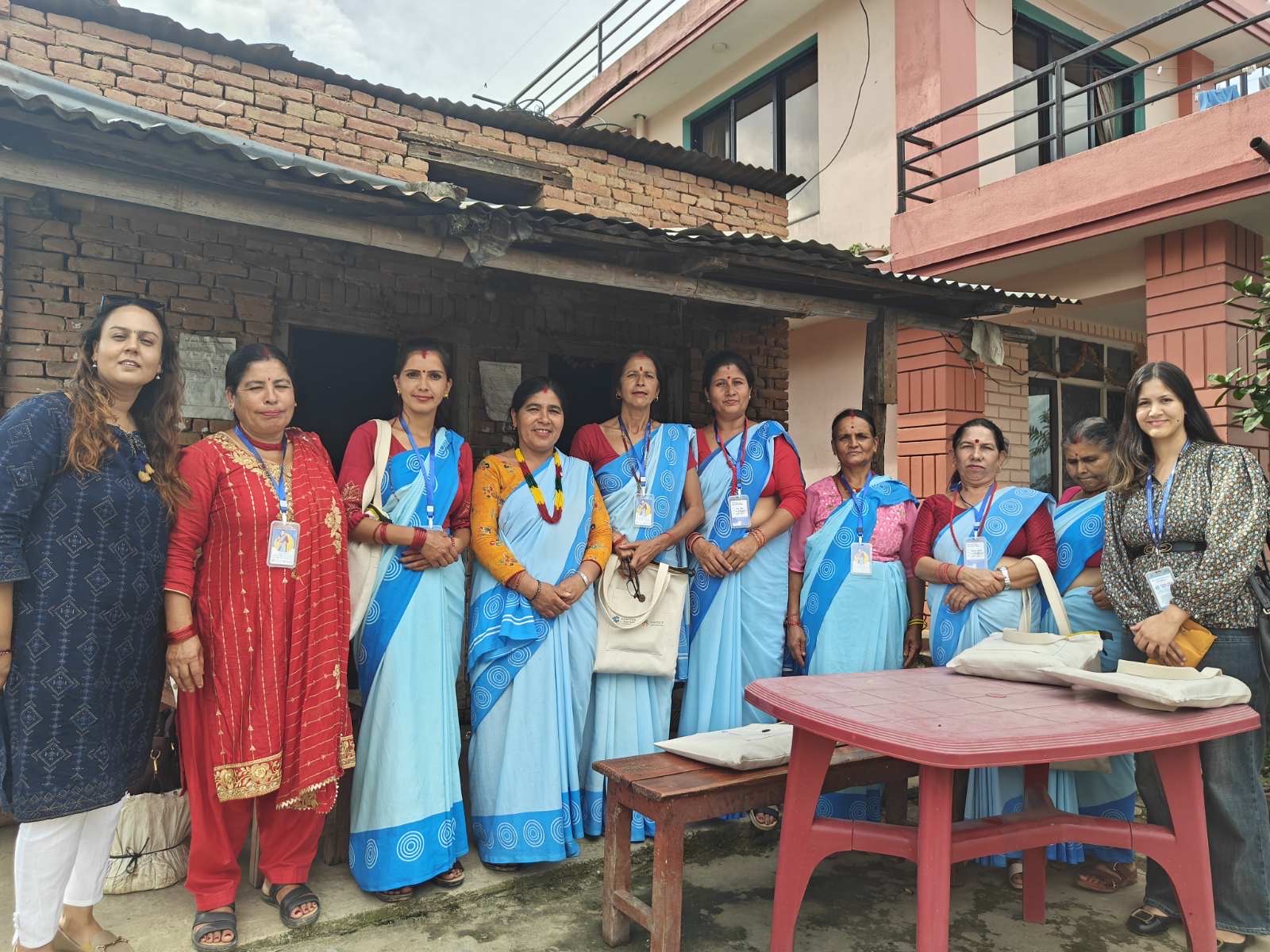
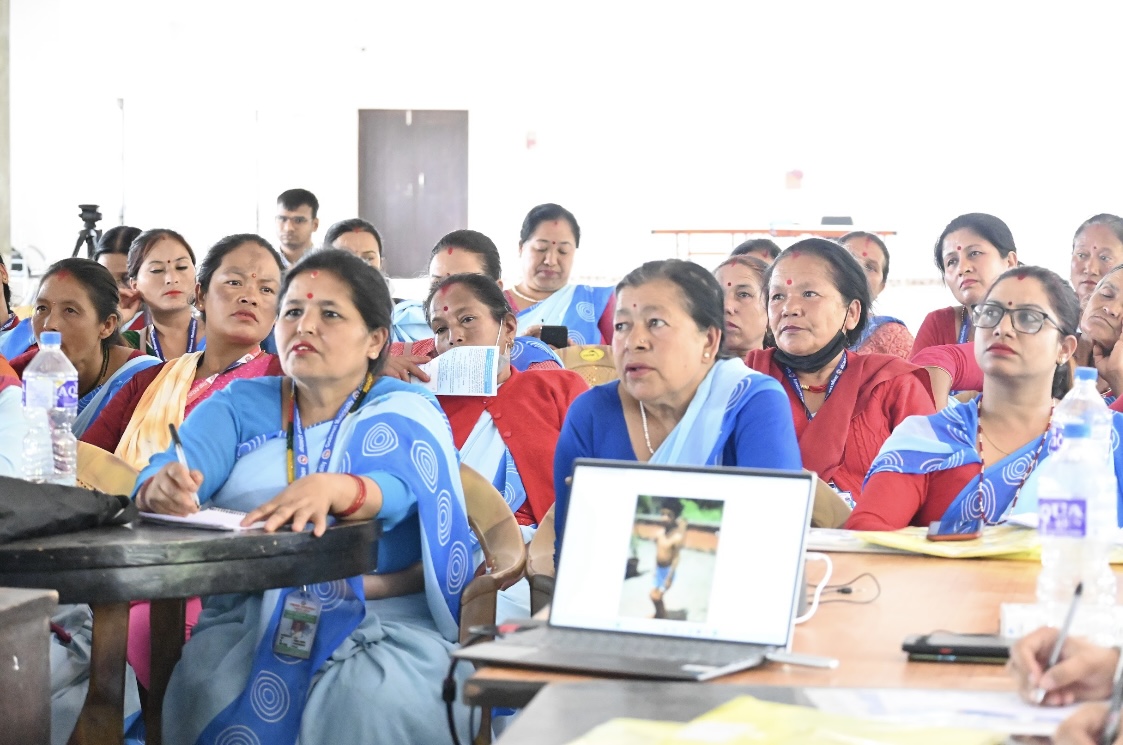
Detection of children aged 18 months-9 years for NDDs and autism by Female Community Health Volunteers (FCHVs) using tools like Rashtriya Bal Swasthya Karyakram (RBSK) and Social Attention and Communication Surveillance (SACS). Pre and post interventions using assessment tool such as parent well-being, parent quality of life, family empowerment and experience, child well-being and quality of life, child inclusion and participation, parent defined child functional outcomes.

2

Interventions

Parent-mediated intervention for Autism Spectrum Disorders in South Asia (PASSPlus): The platform for this collaboration was the development and testing in the UK of a new parent-mediated early intervention for autism; Preschool Autism Communication Therapy (PACT) is a leading example of the kind of autism treatment recommended by UK NICE. WHO Caregiver skills training for families of children with developmental delays or disabilities (CST): is an evidence-informed model for primary intervention with children with NDDs. The program was designed to be freely available and easily implementable in Low- or Middle-Income Countries (LMIC) and other low-resource settings by non-specialists.

3

Community Engagement and Participation

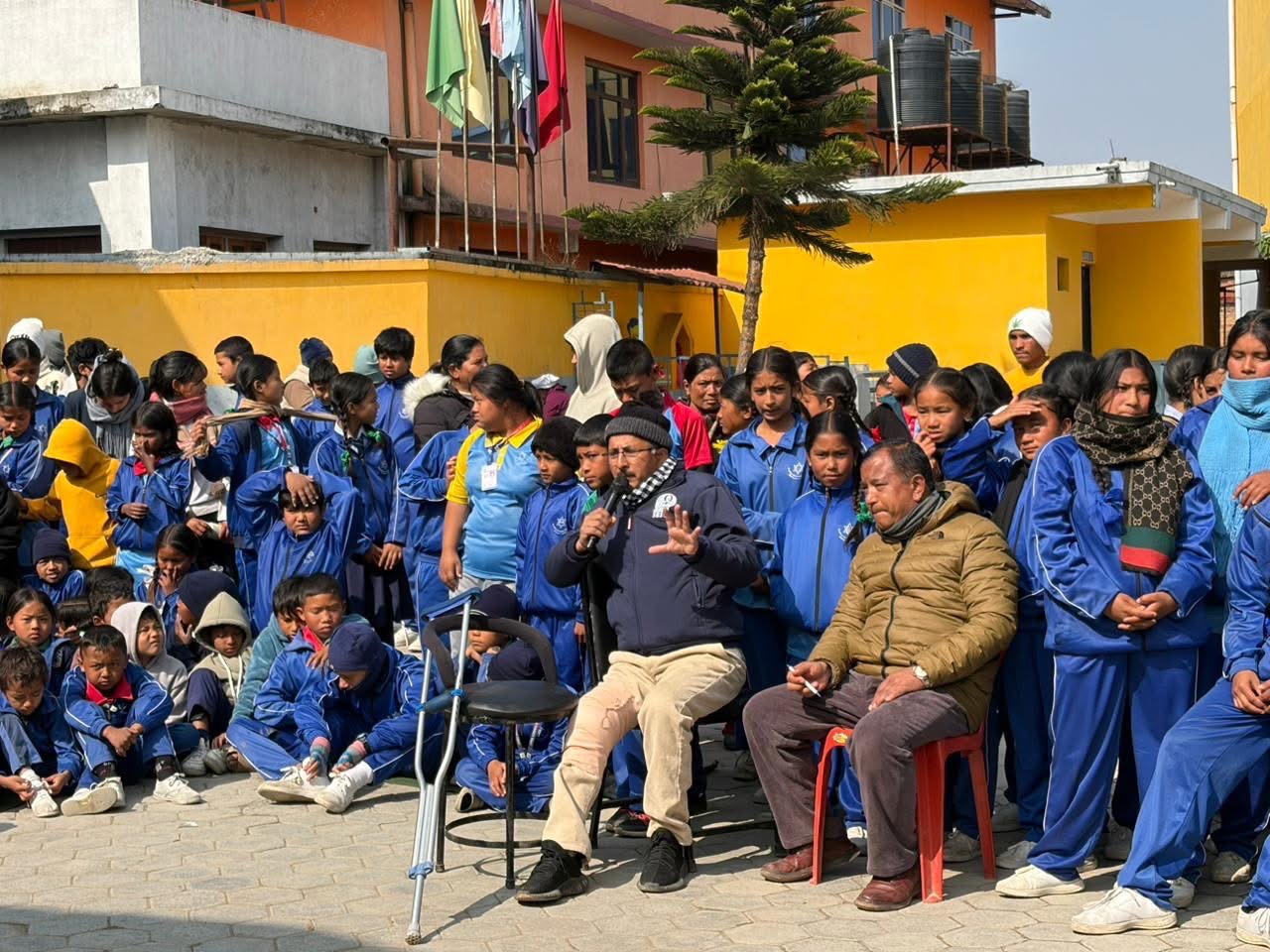
The project aims to work with lived experience advocates and panels to co-develop and implement a multi-country public engagement strategy using guidance on participatory approaches to build awareness about childhood neurodevelopmental disorders including autism with a view to increasing community-level knowledge and the participation and inclusion of persons with autism.

Programme Gallery

4 photos

NAMASTE Project
NAMASTE Project
NAMASTE Project
NAMASTE Project
Make a difference

Your donation helps us empower persons with autism and their families across Nepal.

Stay in touch

Complete the form below to receive the latest autism practice research news: new studies, research updates, events and more.