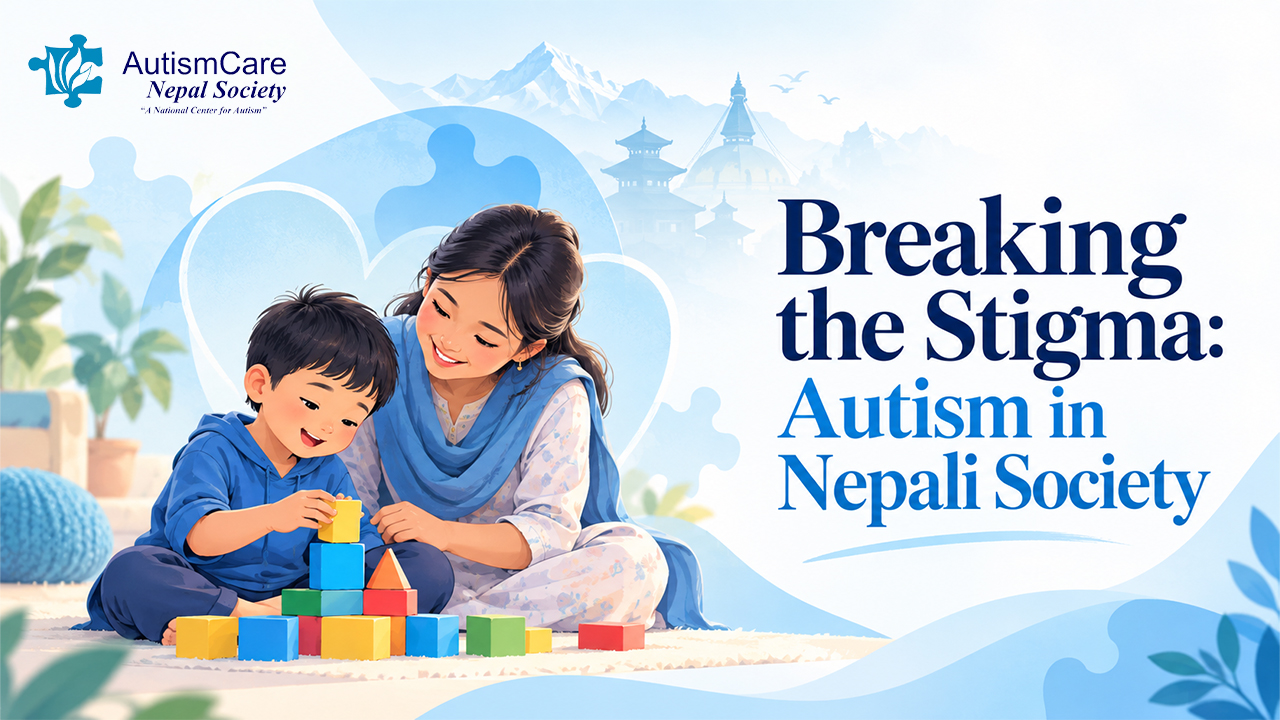
In Nepal, autism remains a widely misunderstood and often stigmatized condition. For many families, having a child diagnosed with Autism Spectrum Disorder (ASD) is not just a personal challenge, but a public ordeal, shaped by deep-rooted misconceptions, social exclusion, and limited access to support. The silence and misinformation around autism continue to marginalize countless individuals who deserve understanding, inclusion, and opportunities to thrive.
AutismCare Nepal Society (ACNS), a pioneering non-governmental organization founded by parents of children with autism, has been working relentlessly to shift this narrative. Through advocacy, education, and direct services, ACNS is breaking down the barriers of stigma and building a more inclusive Nepal.
Understanding Autism
Autism Spectrum Disorder is a complex neurodevelopmental condition that affects communication, behavior, and social interaction. The word “spectrum” is critical it means that individuals with autism experience a range of challenges and strengths. While one person may have significant difficulties with verbal communication, another may be highly articulate but struggle with social cues.
Globally, the prevalence of autism has increased, not necessarily due to a rise in cases, but because of improved awareness and diagnostic practices. In Nepal, however, the true prevalence remains uncertain due to a lack of comprehensive studies and diagnostic infrastructure.
The Cultural Lens: Autism in Nepali Society
Myths and Misconceptions
One of the biggest obstacles to acceptance is the prevalence of myths. In many communities, autism is still seen through a lens of superstition and ignorance. Some believe it is the result of bad karma, divine punishment, or ancestral sins. Others confuse autism with mental illness, intellectual disability, or even possession by spirits. These misconceptions fuel fear and shame, discouraging families from seeking help.
Social Stigma and Isolation
Families of children with autism often report being excluded from social gatherings, schools, and religious activities. In some cases, parents are blamed for their child’s condition. Mothers, in particular, may be accused of improper parenting or even moral failings. As a result, many families withdraw from public life, creating a cycle of isolation that delays diagnosis, therapy, and educational opportunities.
Gender Disparities
Girls with autism in Nepal face double discrimination. Not only are they marginalized because of their condition, but they also face societal pressures tied to traditional gender roles. Girls are expected to be quiet, compliant, and socially adept traits that girls with autism may struggle with. As a result, they are often misdiagnosed, underdiagnosed, or neglected.
AutismCare Nepal Society: A Beacon of Hope
Founding Story
Established in 2008 by a group of parents who understood the daily struggles of raising children with autism, AutismCare Nepal Society was born out of necessity. These parents realized that without institutional support, their children’s futures were at risk. What began as a grassroots movement has evolved into a nationally recognized organization.
Mission and Vision
ACNS is committed to empowering individuals with autism and their families through advocacy, education, and services. Their vision is a society where people with autism are respected, supported, and included in all aspects of life.
Programs and Services
- Diagnosis and Evaluation: ACNS provides early screening and diagnostic assessments using internationally recognized tools. This is critical in a country where pediatricians often lack training in identifying autism.
- Therapeutic Services: The organization offers individualized therapy programs, including speech therapy, occupational therapy, and behavioral interventions like Applied Behavior Analysis (ABA).
- Parent and Caregiver Training: Recognizing that parents are the first teachers, ACNS runs intensive training sessions to help them manage challenging behaviors, communicate effectively, and foster their child’s development.
- Education Support: ACNS supports inclusive education by training teachers, creating Individualized Education Plans (IEPs), and working with schools to accommodate students with autism.
- Community Outreach and Awareness: The organization organizes awareness campaigns, public seminars, and media outreach programs to educate society and break myths.
- Research and Policy Advocacy: ACNS contributes to research on autism and lobbies for inclusive policies at the governmental level.
Real-Life Impact: Stories That Inspire
Ramesh’s Journey: Diagnosed with autism at the age of 3, Ramesh was non-verbal and hyperactive. His parents, initially devastated, found ACNS and enrolled him in a therapy program. Today, at age 10, Ramesh communicates using assistive technology, attends a mainstream school, and has a circle of friends who understand him.
Maya’s Fight for Inclusion: As a girl with autism, Maya faced rejection from three schools. Her mother reached out to ACNS, which intervened by educating school officials and providing teacher training. Maya is now thriving in an inclusive classroom, and her story is helping shift attitudes toward girls with autism.
The Policy Vacuum
Nepal lacks comprehensive autism-specific policies. While the Constitution guarantees the rights of people with disabilities, enforcement is weak. There are no state-funded diagnostic centers, few trained professionals, and limited special education programs. ACNS is advocating for:
- National autism screening programs.
- Government funding for therapy and education.
- Inclusion of autism in medical and teacher training curricula.
- Nationwide public awareness campaigns.
Barriers to Progress
- Geographical Challenges: Most autism services are centralized in Kathmandu. Rural families face a long and costly journey to access diagnosis and therapy.
- Financial Burden: Therapy and specialized education are expensive, and not covered by insurance or government subsidies.
- Lack of Data: Without data, it is difficult to plan, fund, or evaluate autism-related programs.
What Needs to Change
- Normalize Conversations About Autism: The more people talk openly about autism, the less powerful stigma becomes.
- Invest in Training: Healthcare providers, educators, and social workers need autism-specific training.
- Build Community Support Systems: Local support groups can help parents share resources, advice, and emotional support.
- Expand Access: Mobile therapy units, online counseling, and community-based centers can help bridge the urban-rural divide.
- Legislative Action: Laws need to be created or strengthened to ensure equal rights, funding, and protections for individuals with autism.
How You Can Help
- Donate to AutismCare Nepal Society: Every contribution supports life-changing services.
- Volunteer: Share your time, skills, or network.
- Raise Awareness: Use your voice online and offline to dispel myths and spread facts.
- Partner: Schools, businesses, and NGOs can collaborate with ACNS to foster inclusion.
Conclusion
Autism is not a tragedy. Stigma is. In a society as rich and diverse as Nepal, there is room for every mind, every ability, every child. The journey toward inclusion is not easy, but it is essential. AutismCare Nepal Society is leading the way but they cannot do it alone.
Breaking the stigma surrounding autism in Nepali society is not just the responsibility of families affected by it. It’s a national challenge that requires collective effort from educators, healthcare professionals, policymakers, and every citizen. By supporting organizations like ACNS and embracing a culture of empathy and inclusion, Nepal can become a place where every individual regardless of neurological difference has the chance to live a full and meaningful life.
Autism in Nepal: Challenges, Progress, and the Road Ahead
Autism Spectrum Disorder (ASD) is a neurodevelopmental condition that affects communication, behavior, and social interaction. Globally, 1 in 100 children is diagnosed with autism, and the numbers are growing. However, in countries like Nepal, awareness, diagnosis, and support for individuals with autism are still in their infancy. Autism in Nepal remains underrecognized and underserved, especially in rural areas. This blog explores the challenges, achievements, and future pathways in raising autism awareness in Nepal, with a spotlight on the impactful work of AutismCare Nepal Society (ACNS).
Understanding Autism in the Nepali Context
In Nepal, autism is often misunderstood. Cultural stigma, lack of awareness, and limited resources contribute to the marginalization of individuals on the spectrum. Many families are unaware of the signs and symptoms of autism, leading to late or missed diagnoses. Even when diagnosed, children with autism often face social isolation and limited access to education and therapy.
Common Misconceptions About Autism in Nepal
- Autism is caused by poor parenting (false)
- Children with autism are not intelligent (false)
- Autism is a curable disease (false)
Such myths are deeply rooted and continue to hinder early intervention efforts. One of the key challenges in addressing autism in Nepal is breaking down these misconceptions through education and advocacy.
Challenges in Addressing Autism in Nepal
- Lack of Awareness: The majority of the population, including educators and healthcare workers, lack basic knowledge about autism. This gap delays diagnosis and limits support.
- Insufficient Trained Professionals: Nepal suffers from a shortage of psychologists, speech therapists, occupational therapists, and special education teachers.
- Limited Infrastructure: Most autism-related services are centered in Kathmandu. Rural areas remain largely untouched by diagnostic or support services.
- Social Stigma: Many families hide children with autism due to fear of societal judgment. This leads to further isolation and a lack of social integration.
- Policy Gaps: Although Nepal has signed international conventions on disability rights, practical implementation and enforcement remain weak.
AutismCare Nepal Society: A Beacon of Hope
Founded in 2008 by a group of passionate parents and professionals, AutismCare Nepal Society (ACNS) is the pioneering organization working exclusively for individuals with autism in Nepal. ACNS is a parent-led, non-profit organization that provides support, advocacy, education, and therapy services for people with autism and their families.
Key Contributions of ACNS
- Awareness Campaigns: ACNS organizes autism awareness events across Nepal, including on World Autism Awareness Day. These initiatives help spread correct information about autism in Nepal and fight stigma.
- Early Intervention Services: ACNS provides early screening and diagnostic services that are critical in improving outcomes for children with autism.
- Therapeutic Support: The organization offers speech therapy, occupational therapy, and behavioral support through its centers.
- Training and Capacity Building: ACNS trains parents, teachers, and health workers to identify and support children with autism. This multiplies the impact across communities.
- Advocacy and Policy Engagement: ACNS actively lobbies for better disability rights laws and inclusion of autism in national healthcare and education agendas.
Milestones Achieved by ACNS
- Establishment of Nepal’s first autism-specific center
- Regular training workshops reaching hundreds of families and professionals
- Partnerships with international autism organizations
- Inclusion of autism in national discussions on disability
Real Stories, Real Impact
One of the most powerful ways ACNS is changing the narrative around autism in Nepal is through personal stories. Families who once felt hopeless now share journeys of transformation, thanks to the intervention and support received through ACNS.
Progress Made in Nepal So Far
Despite the challenges, Nepal has made strides in autism awareness and support:
- Growing media coverage of autism-related issues
- Inclusion of autism in disability assessments
- Recognition of April 2nd as World Autism Awareness Day nationally
- More NGOs and health facilities offering autism-related services
What Needs to Happen Next?
To truly support individuals with autism in Nepal, a coordinated, multi-sectoral approach is essential. Here are key areas that require urgent attention:
- Expand Services to Rural Areas: Decentralize autism-related services so families outside Kathmandu can access diagnosis and therapy.
- Government Involvement: The government must allocate specific budgets, enact inclusive policies, and integrate autism into public health and education systems.
- Public Education Campaigns: Launch nationwide awareness drives using radio, TV, and local languages to educate the public.
- Incentivize Professional Training: Provide scholarships and training opportunities to grow the pool of autism specialists in Nepal.
- Support Inclusive Education: Train schools to be more inclusive and adaptive to the needs of children with autism.
How You Can Support the Cause
- Donate to organizations like ACNS
- Volunteer your time or skills
- Share accurate information about autism
- Encourage inclusive practices in your school or workplace
Conclusion
Autism in Nepal is a growing public health and social issue. But with organizations like AutismCare Nepal Society leading the way, change is not just possible it’s already happening. Through awareness, education, and action, Nepal can build a future where individuals with autism are accepted, included, and empowered. The road ahead is long, but together, we can walk it with purpose.