
Starting school is a major developmental milestone.
For children with Autism Spectrum Disorder (ASD), this transition can require structured preparation and professional guidance. Differences in sensory processing, communication, and behavior regulation may affect how a child adapts to a mainstream classroom environment.
A School Readiness Program is designed to build the essential skills needed for successful school participation. In the context of growing awareness about autism in Nepal, structured early intervention programs are becoming increasingly important.
Autism Care Nepal Society has developed a structured Readiness to School Program that bridges the gap between therapy and real classroom expectations.
What Is Autism Spectrum Disorder?
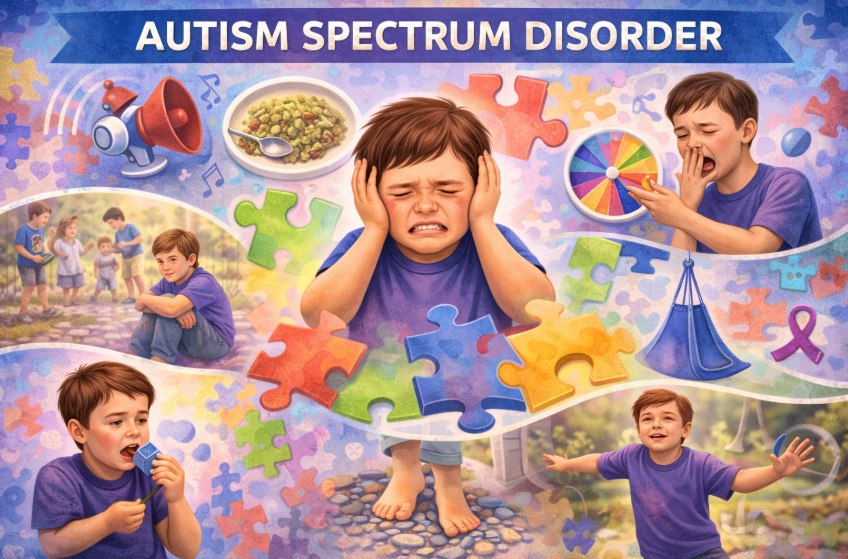
Autism Spectrum Disorder is a neurodevelopmental condition that affects:
- Social communication
- Behavior regulation
- Sensory processing
- Learning patterns
- Adaptive functioning
According to global health data, approximately 1 in 100 children is diagnosed with Autism Spectrum Disorder. Early intervention significantly improves long-term academic and social outcomes.
Children with ASD may experience:
- Difficulty following group instructions
- Sensory sensitivity to noise or touch
- Challenges in peer interaction
- Difficulty transitioning between activities
- Limited attention span in structured settings
These challenges do not reflect ability. They reflect different developmental pathways.
Why School Readiness Matters for Children with ASD
Mainstream schools require children to:
- Sit for structured learning periods
- Follow multi-step instructions
- Participate in group activities
- Adapt to classroom routines
- Manage sensory stimulation
For many children with Autism Spectrum Disorder, these skills must be developed intentionally.
Without preparation, children may experience:
- Anxiety during school transition
- Behavioral dysregulation
- Reduced classroom participation
- Social withdrawal
A structured readiness program supports smoother integration into inclusive educational settings.
About the Readiness to School Program
The Readiness to School Program at Autism Care Nepal Society is designed to support children with neurodevelopmental conditions in developing essential school participation skills.
The program focuses on improving:
- Sensory processing
- Learning readiness
- Communication
- Behavior regulation
- Social interaction
- Independence skills
It provides a structured and supportive environment that simulates real classroom expectations.
The goal is to prepare children with Autism Spectrum Disorder for successful transition into inclusive or mainstream schools.
Program Objective
To prepare children with neurodevelopmental conditions for school by building strong foundations in:
- Learning readiness
- Behavior regulation
- Communication skills
- Sensory integration
- Daily functional independence
Core Program Goals
The program is structured around measurable developmental outcomes.
1. Improve Attention & Sitting Tolerance
Children develop the ability to remain seated and engaged in structured learning.
2. Develop Communication & Social Interaction
Focus on expressive and receptive communication, turn-taking, peer interaction, and classroom participation.
3. Support Academic & Functional Academic Skills
Includes pre-literacy, numeracy readiness, and task completion skills.
4. Improve Sensory Regulation
Sensory integration strategies help children regulate responses to environmental stimuli.
5. Build Daily Independence
Children learn to follow instructions, manage transitions, and develop basic self-care skills.
6. Prepare for Inclusive & Mainstream School
Exposure to classroom routines and structured schedules reduces adjustment challenges.
7. Support Parents
Parents receive guidance to better understand their child’s learning and sensory needs.
Program Structure & Services Included
The program runs from:
🕒 11:00 AM – 2:00 PM
It combines individual and group-based learning approaches.
1. Individual Sensory Integration Therapy
Helps children:
- Regulate sensory input
- Improve focus
- Reduce meltdowns
- Enhance motor planning
Sensory regulation is foundational for classroom success.
2. Individual Special Education Class
Focus areas include:
- Pre-academic readiness
- Academic foundations
- Communication skills
- Structured task completion
These sessions strengthen learning readiness for mainstream classrooms.
3. Group Innovative Sessions
Group sessions build:
- Social skills
- Waiting skills
- Turn-taking
- Peer interaction
- Classroom behavior expectations
Exposure to peer settings supports smoother school transition.
4. Initial Evaluation
Each child undergoes an individualized assessment to establish personalized developmental goals.
5. Progress Review Every 3 Months
Regular review ensures measurable growth and goal adjustments based on progress.
Why Choose a Structured School Readiness Program?
In Nepal, families searching for an autism school in Nepal often look for programs that combine therapy and structured learning preparation.
This program provides:
Expert Multidisciplinary Team
Sessions are conducted by:
- Certified sensory integration therapists
- Special educators
- Occupational therapists
- Experienced teachers
- Trained caretakers
A collaborative approach ensures holistic support.
Real School Preparation
Children are gradually introduced to:
- Classroom routines
- Group learning models
- Inclusive education concepts
- Structured daily schedules
This improves adaptability in mainstream schools.
Individualized + Group Balance
Children receive:
- One-on-one focused intervention
- Structured group exposure
This balance mirrors real classroom dynamics.
Regular Monitoring & Parent Feedback
Parents receive structured updates and practical home guidance.
Transportation Support
Transportation is available from Satdobato to Autism Care Nepal Society, Jharuwarashi.
Admission Criteria
The program is designed for:
- Children aged 3–8 years
- Children with neurodevelopmental conditions
Early intervention during these years significantly improves long-term academic readiness.
Program Duration & Fee
Fee: NPR 10,000 per month
Venue
Autism Care Nepal Society
Jharuwarashi, Godawari, Lalitpur – Nepal
Program Leadership & Support Team
Program Coordinators:
- Rojeena Bajracharya, Certified Sensory Integration Therapist
- Manju Maharjan, Special Educator
Support Team:
- Muna Maharjan, Special Educator
- Sichu Maharjan, Special Educator
- Sophie McNally, Occupational Therapist
- Sushmita Deula, Class Teacher
Frequently Asked Questions
1. What is Autism Spectrum Disorder?
Autism Spectrum Disorder is a neurodevelopmental condition affecting communication, behavior, and social interaction.
2. At what age should school readiness begin?
Between ages 3–8 years, as early intervention improves outcomes.
3. Is this a replacement for mainstream school?
No. It prepares children for inclusive or mainstream educational settings.
4. How long should a child attend?
A minimum of three months is recommended for measurable progress.
5. Why is school readiness important for autism in Nepal?
Structured preparation improves inclusion outcomes where mainstream systems may lack specialized adaptations.
Professional Review Note
This content is educational in nature and reflects structured early intervention practices for children with Autism Spectrum Disorder. Parents should consult qualified developmental pediatricians, psychologists, or special educators for individualized assessment and guidance.
Final Thoughts
Preparing children with Autism Spectrum Disorder for school requires intentional skill development in sensory regulation, communication, behavior, and independence.
In the growing context of autism in Nepal, structured readiness programs play a critical role in improving inclusion and educational success.
A carefully designed readiness model helps children enter mainstream classrooms with confidence, adaptability, and foundational skills for lifelong learning.
